 |
IWGP Research Group:
|
Description
The Fibres and Perishable Materials Research Group (FIBRES) aims to establish an international and interdisciplinary platform for investigating, discussing and advancing research on plant and animal fibres, textile technologies and other forms of perishable material culture across different geographical regions and chronological periods. The group brings together researchers working in archaeobotany, archaeological science, textile archaeology, ethnobotany, conservation, experimental archaeology and related disciplines to promote a better understanding of the technological, ecological and sociocultural significance of plant fibres and organic materials in past societies.
Our research interests encompass a broad range of fibre-based technologies and materials, including textiles, basketry, cordage, netting, hafting technologies, hides, fur and other plant- and animal-derived materials used in artefact production. Particular attention is given to the exploitation, cultivation and management of fibre-producing plants, the selection and processing of raw materials, manufacturing techniques, and the transmission of technological knowledge. We also seek to integrate ethnographic perspectives, Indigenous knowledge and traditional practices to explore the relationships between material technologies, environmental knowledge, sustainability and human societies.
Given the poor preservation of organic materials in many archaeological contexts, the identification, analysis and interpretation of perishable artefacts present significant methodological challenges. The research group aims to promote discussion and the development of analytical approaches, including field recovery and sampling strategies, microscopy, material identification, experimental programmes and the study of archaeological and museum collections. We are particularly interested in examining the possibilities and limitations of existing methods, encouraging comparative research and improving access to analytical techniques and reference collections.
The group also seeks to foster communication and collaboration among researchers at different career stages by providing opportunities to share ongoing research, preliminary results, methodological developments and analytical challenges. Through regular meetings, workshops, practical training sessions and collaborative initiatives, we aim to encourage knowledge exchange, support early career researchers and develop accessible methodological resources for the identification and study of fibres and perishable materials. The initiative emerged from collaborations involving researchers working on Europe, the Americas, and other parts of the world with the ambition of developing a wider international research network.
Looking forward, FIBRES aspires to promote innovative comparative research, develop methodological guidance and collaborative research programmes, and contribute to a broader understanding of the roles of fibres and perishable technologies in human history. By bringing together different analytical approaches, materials and knowledge systems, the group seeks to advance the study of perishable material culture as an integral component of archaeological research.
Planned activities
Our initial activities will focus on interdisciplinary workshops and practical sessions, bringing together researchers to discuss recent advances in fibre research, exchange analytical experience and identify priorities for future collaboration. These activities will address three interconnected areas: the recovery and sampling of archaeological fibres, laboratory-based identification and analysis, and the methodological and interpretative challenges associated with perishable materials.
We also envisage developing shared reference resources and practical guidance for material identification, including accessible microscopy approaches applicable to museum collections, archaeological fieldwork and research environments with limited analytical infrastructure.
Coordinators
Upcoming Events
There are no upcoming events at this time
Past Events
There are no upcoming events at this time
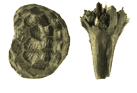
Background image: Charred cultivated plant remains from Fuente Álamo (prov. Almería, Spain), Bronze Age El Argar culture © Hans-Peter Stika